
Wyoming Police Brutality Lawyer
Police misconduct in Wyoming impacts both individuals and the broader community, diminishing safety and confidence in law enforcement. According to the Police Scorecard, a project from criminal justice reform group Campaign Zero, the state has a rating of 36 out of 100, based on key factors including funding, violence, accountability, and overall law enforcement practices. In higher-rated states, officers are held more accountable, use less force, and policing costs are lower.
Content Last Updated: May 21, 2026
Police Brutality Center connects victims in Wyoming with skilled police brutality lawyers who can fight for your rights and seek both compensation and accountability on your behalf. If police have violated your constitutional rights, a civil rights lawsuit can help you hold officers accountable and seek compensation for the harm you’ve suffered. Our legal partners work on a contingency-fee basis and provide free consultations. Contact us today to take the first step toward justice.
Connect With Our Experienced Attorneys
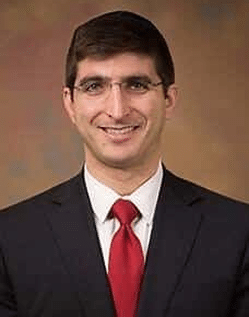
Police Brutality Center is proud to partner with Alex Straus, Chair of the Civil Rights Department at Milberg PLLC, and Solomon Radner at Radner Law Group to help victims of civil rights abuses.

How a Wyoming Police Brutality Lawyer Can Help You
If police misconduct has affected you, a Wyoming civil rights attorney can provide guidance, protect your rights, and help you take action. Key ways they support you include the following:
- Case evaluation: A lawyer will listen carefully to your experience and help you understand your legal options.
- Evidence collection: A lawyer will conduct a thorough investigation, gathering body camera footage, dash cam video, witness statements, and medical records to support your claim.
- Filing complaints: An attorney can assist you with submitting complaints to police internal affairs, the U.S. Department of Justice Civil Rights Division, the Wyoming Attorney General’s Office, and other relevant agencies to ensure your concerns are heard.
- Filing Federal civil rights lawsuits: If you are entitled to file suit, a lawyer can take action under 42 U.S.C. § 1983, a federal law that allows individuals to hold officers or agencies accountable for rights violations and wrongful deaths.
- Navigating police immunity defenses: An experienced civil rights attorney can counter legal defenses such as qualified immunity, which can shield officers from accountability.
- Settlement negotiations: A skilled lawyer will negotiate for a settlement that fully compensates you for your losses
- Litigation and trial: If a settlement cannot be reached, a civil rights attorney will pursue litigation and, if necessary, advocate for you at trial.
Filing a Civil Rights Claim in Wyoming
Navigating a civil rights claim in Wyoming requires careful attention and timely action. To protect your rights and build a strong case, start with these essential steps:
- Seek immediate medical attention: Get a medical evaluation right away to protect your health and safety. Prompt treatment can prevent complications and create clear documentation of injuries that supports your case.
- Document everything: Keep detailed records of the incident. Photos, witness statements, and medical reports all strengthen your case.
- Get legal help: An attorney can guide you through the process, ensure your claims are filed on time, and seek the compensation and justice you deserve.
- Report police misconduct: Submit complaints directly to the department or agency involved, and consider reporting to relevant agencies such as the Wyoming Attorney General’s Office.
- Initiate a lawsuit: Your attorney can help you formally file a lawsuit seeking justice and compensation for the harm you endured.
Statute of Limitations for Police Brutality Cases in Wyoming
In Wyoming, federal civil rights cases under 42 U.S.C. § 1983 generally must be filed within four years. However, under the Wyoming Government Claims Act, notice of a claim must generally be provided within two years of the incident. Missing these deadlines can result in dismissal of your case, so it’s important to act quickly to protect your right to pursue justice and compensation.
Common Types of Compensation in Police Misconduct Cases
In a claim for police brutality and misconduct, compensation can cover both financial losses and the personal impact of the experience. Victims of police misconduct can generally seek compensation for the following types of damages:
- Economic damages: Cover the measurable financial losses such as medical bills, lost wages, reduced future earning potential, financial support lost due to a family member’s death, and funeral expenses
- Non-economic damages: Account for the personal impact of misconduct, such as emotional pain, physical impairment, disfigurement, disruption to daily life, and loss of companionship
In some cases, a court may award punitive damages when an officer’s actions were willful, reckless, or showed a clear disregard for someone’s rights. These damages are meant to punish the misconduct and help deter it in the future.
Settlements for Police Brutality Cases in Wyoming
During police misconduct settlement negotiations, both sides work to reach an agreement that resolves a case without going to trial. Negotiations can provide compensation to victims while avoiding the stress and uncertainty of court.
In Wyoming, settlements are a common outcome. According to the State Self-Insurance Program’s annual report, 156 claims were filed against police officers between 2020 and 2024. These ranged from vehicle incidents to alleged constitutional violations. All 156 claims were resolved through settlements, totaling more than $2,870,000.
Of these, 36 claims involved alleged civil rights violations, though the report does not specify how much of the total settlement amount went to those cases. Per the report, many victims file federal civil rights lawsuits under 42 U.S.C. § 1983, which lets them seek compensation without the $500,000 per-occurrence limit that applies to state law claims.
Police Misconduct and Civil Rights Laws in Wyoming
Police misconduct in Wyoming occurs when a police officer, acting or claiming to act in their official capacity, violates a person’s constitutional rights. Such violations include the use of excessive force, unjustified shootings, racial profiling, false arrests or detentions, wrongful convictions, and deaths caused by unlawful officer actions.
Federal law under Section 1983 of the Civil Rights Act of 1871 allows individuals to hold government employees and officials personally liable for violating their constitutional rights, including the following:
- Fourth Amendment: Safeguards citizens against unreasonable searches and seizures.
- 14th Amendment: Prohibits the deprivation of life, liberty, or property without due process of law.
At the state level, the Wyoming State Constitution provides a range of protections, including the right to due process and protection against unreasonable searches and seizures. The Wyoming Government Claims Act allows government entities to be liable for harm caused by officers acting within the scope of their job.
Wyoming Police Incidence of Violence and Use of Force
Data from the Police Scorecard shows that police killed 37 people with deadly force in Wyoming from 2013 to 2023. Based on population, Black individuals were 8.5 times and Latinx residents 1.7 times more likely than white residents to be killed during police encounters.
Between 2016 and 2022, 219 complaints were filed against Wyoming officers. About 22% of complaints were resolved in favor of the civilians. Five complaints involved the use of force, three alleged discrimination, and five claimed crimes committed by police.
Recent Police Brutality Cases in Wyoming
Below are some notable recent cases of police brutality and misconduct in Wyoming:
$925K Settlement in Fatal Rawlins Police Shooting Case
In May 2019, the city of Rawlins paid $925,000 to the family of John Randall Veach, who was fatally shot in 2015 by two police officers in a gas station parking lot. The officers reportedly fired at Veach’s vehicle as he attempted to drive away while being questioned about selling marijuana. The family’s lawsuit claims dash camera footage shows that neither officer was in danger of being struck by Veach’s car.
$55K Settlement in Riverton Over Warrantless Police Entry
In 2025, Riverton settled a lawsuit for $55,000 over allegations that officers entered a man’s home without a warrant. Officers reportedly acted on a tip about a drunk driver, using a vehicle description that matched the man’s parked car. The lawsuit claimed police forcibly removed the man from his home and that they improperly seized blood samples under a warrant issued on incomplete and misleading information. Reports indicate that a judge later suppressed the DUI evidence due to these constitutional violations.
$155,000 Judgment Against Casper Police Officer for Brutally and Illegally Assaulting a Woman
In 2023, a woman won a $155,000 judgment against the city of Casper and a police officer. Her lawsuit claimed that in January 2020, the officer used excessive force while responding to a noise complaint at a friend’s apartment. According to the suit, two officers entered the apartment without consent and without a warrant. While the occupants complied, one officer allegedly grabbed the woman violently and applied excessive force.
Contact an Experienced Wyoming Police Brutality Lawyer
At Police Brutality Center, we are committed to helping victims seek justice. If you or a loved one has experienced police brutality in Wyoming, you don’t have to face the legal system alone. We proudly partner with Alex Straus, Chair of the Civil Rights Department at Milberg PLLC, and Solomon Radner at Radner Law Group to help victims of civil rights abuses.
Our legal partners work on a contingency fee basis and offer free consultations. You can take your first steps toward justice without worrying about financial risk. Contact us today to get the legal help you need.