
Louisiana Police Brutality Lawyer
In 2025, police in Louisiana killed nearly two dozen people, and law enforcement agencies in the state have a documented history of discriminating against individuals for race, ethnicity, gender, sexuality, and more. If you have experienced police brutality firsthand or have lost a loved one due to police misconduct in Louisiana, we may be able to connect you with a civil rights attorney to help you pursue justice.
Content Last Updated: May 29, 2026
Police brutality and misconduct have a significant impact on individuals and communities in Louisiana, and the state has a history of racial and gender biases that have led to violence. Victims of police brutality and misconduct in Louisiana have rights and legal protections under federal and state law. If you have experienced police violence in Louisiana, Police Brutality Center may be able to connect you with a police brutality lawyer to determine your options for pursuing justice.
How a Louisiana Police Brutality Lawyer Can Help You
After experiencing police brutality or misconduct in Louisiana, it’s crucial to work with an experienced, local police brutality attorney who is familiar with civil rights laws and local regulations. An attorney can assist with evidence collection, dealing with police unions and city attorneys, building your case, negotiating a settlement, and potentially representing you at trial. Additionally, an experienced attorney can help you fight against qualified immunity, which often shields police officers from liability in these cases.
Connect With Our Experienced Attorneys
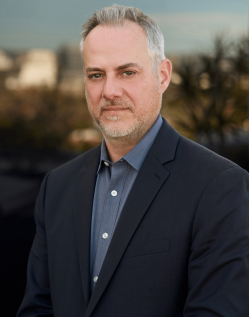
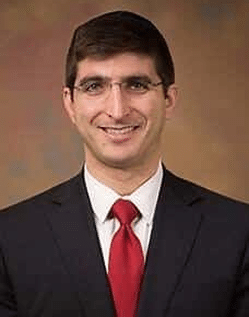
Police Brutality Center is proud to partner with Alex Straus, Chair of the Civil Rights Department at Milberg PLLC, and Solomon Radner at Radner Law Group to help victims of civil rights abuses.
Filing a Civil Rights Claim for Police Brutality in Louisiana
The first step in pursuing a civil rights claim for police brutality or misconduct in Louisiana is contacting an experienced civil rights attorney. Then, you may wish to file an internal complaint with the police department involved. Your attorney will assist you with preserving evidence and drafting a lawsuit to file in state or federal court, depending on the law enforcement agency involved.
It’s important to speak to an attorney quickly to ensure you file your claim on time. Following an amendment recently passed by lawmakers, Louisiana now has a two-year prescriptive period for filing civil rights claims. However, that period only applies to cases arising after the law’s effective date of July 1, 2024. The previous one-year period governs cases arising before that date.
In a successful police brutality lawsuit, victims may be able to recover compensation for medical bills, lost wages, emotional distress, and other losses, including compensation for wrongful death if the incident resulted in a fatality.
Police Misconduct & Civil Rights Laws in Louisiana
Police brutality and misconduct in Louisiana can consist of various actions, including the following and more:
Federal and state civil rights laws protect Louisianians from police misconduct. The Fourth, Eighth, and Fourteenth Amendments of the Constitution protect people from unlawful searches and seizures, violations of due process, and cruel and unusual punishment.
Louisiana Constitution
Louisiana’s Constitution mirrors and reinforces the federal protections, including protections against unreasonable searches, seizures, or invasions of privacy, as well as against cruel, excessive, or unusual punishment. Under the state Constitution, the government cannot deprive a person of life, liberty, or property without due process of law and equal protection under the law.
Louisiana Civil Code
Key Louisiana Civil Code articles that apply in police misconduct cases include the following:
- Article 2315: Liability for acts causing damages: The basis for civil claims when police use unjustified force.
- Article 2315.1: Survival actions: Allows an estate to pursue damages the victim could have claimed had they survived.
- Article 2315.2: Wrongful death: Allows surviving family members to recover damages when police misconduct causes the death of a loved one.
History of Police Brutality in Louisiana
In 2010, the U.S. Department of Justice opened an investigation into the New Orleans Police Department. The DOJ found that NOPD engaged in patterns of misconduct violating the Constitution and federal law, including patterns of excessive force and illegal stops, searches, and arrests. Additionally, the DOJ found a pattern of gender discrimination in the department’s under-enforcement and under-investigation of violence against women, as well as evidence of discriminatory policing based on race, ethnicity, and sexuality. A consent decree was issued against the City of New Orleans in 2013, placing the NOPD under federal oversight.
According to the Police Scorecard for Louisiana, a project from criminal justice reform group Campaign Zero, there were 4,017 civilian misconduct complaints against police between 2016 and 2022, but only about 12% were ruled in favor of civilians. The state scored exceptionally low on police accountability and showed more racial disparities in deadly force than 36% of states. Out of 241 police killings during that period, over half involved Black victims.
Notable Louisiana Police Brutality Cases
Ronald Greene – 2019
On May 10, 2019, Ronald Greene, an unarmed 49-year-old Black man, was killed by Louisiana State Police after a high-speed chase outside Monroe. During his arrest, Greene was reportedly stunned, punched, pepper-sprayed, placed in a chokehold, dragged face down while handcuffed and shackled, and left face down for at least nine minutes.
At least six white troopers were involved, and five were criminally charged in 2022.
Clifton Dilley – 2018
In August 2025, Louisiana authorities agreed to a $9 million settlement with Clifton “Scotty” Dilley, who filed a federal lawsuit after a police shooting confined him to a wheelchair at age 19.
Dilley was paralyzed from the waist down after a trooper shot him in the back during a 2018 traffic stop in Baton Rouge. According to the lawsuit, the officer falsely reported it as a Taser discharge and did not activate her body camera.
Alton Sterling – 2016
In February 2021, Louisiana officials offered $4.5 million to settle a lawsuit brought by the family of Alton Sterling. Sterling, a Black man, was killed by police in 2016 while selling homemade CDs in front of a convenience store in Baton Rouge.
The lawsuit alleged the shooting fit a pattern of racist behavior and excessive force by the Baton Rouge police. Sterling was reportedly shot six times.
Contact an Experienced Louisiana Police Brutality Lawyer
If you or a loved one was a victim of police brutality or misconduct anywhere in Louisiana, you are not alone, and Police Brutality Center can help. Our mission is to prevent further harm and ensure justice for victims by connecting them with experienced civil rights law firms. We provide access to a network of police brutality lawyers who can offer legal assistance to those seeking justice.