
Michigan Police Brutality Lawyer
If you or a loved one has been subjected to police brutality in Michigan, you may be overwhelmed, scared, or uncertain about what to do next. Such violations of constitutional rights can have far-reaching emotional, physical, and financial consequences, but the law provides avenues for pursuing justice.
Attorneys that work with Police Brutality Center may be able to assist you.
"*" indicates required fields
Content Last Updated: March 25, 2026
Filing a civil rights lawsuit can help you hold officers accountable and seek compensation for the harm you’ve suffered. Police Brutality Center connects victims with skilled police brutality lawyers who will fight for your rights and help you seek compensation and accountability.
Why Work With a Michigan Police Brutality Lawyer?
Unfortunately, Michigan has a long history of police brutality. While victims have options for pursuing justice for their damages, a web of state and federal laws can make the path complicated. A local civil rights attorney understands these nuances and can help push back against defenses such as qualified immunity, which often shield officers from liability. Working with a skilled police brutality attorney from the start protects your rights and gives you the best shot at accountability and fair compensation.
Connect With Our Experienced Attorneys
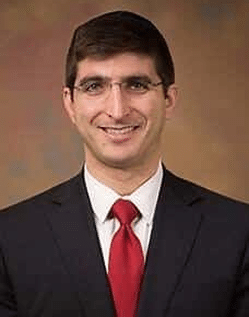
Police Brutality Center is proud to partner with Alex Straus, Chair of the Civil Rights Department at Milberg PLLC, and Solomon Radner at Radner Law Group to help victims of civil rights abuses.

How To File a Civil Rights Claim in Michigan
Civil rights claims in Michigan are often complex and time-sensitive. With the right guidance, you can navigate the process more confidently and avoid common pitfalls that could delay or jeopardize your case. Here are key things to know:
Engaging a Civil Rights Lawyer in Michigan
Representation by a civil rights attorney with experience in police brutality cases is important because the legal process is complex, and missteps can hurt your case.
A lawyer can evaluate the strength of your claim, investigate the incident, uncover and preserve critical evidence, and file complaints accurately and on time. They can communicate with authorities, negotiate for a full and fair settlement, and, if necessary, fight for your interests in court. By having professional representation, you ensure your rights are protected, your story is accurately presented, and your case has the best chance of success.
Initiating the Complaint Process
Reporting police misconduct to the appropriate agencies is a critical first step before pursuing a lawsuit, as it ensures your complaint is officially documented.
Victims of police misconduct should consider reporting incidents to the department’s internal affairs division, the U.S. Department of Justice Civil Rights Division, and any other relevant oversight agencies. These complaints create an official record, help trigger investigations, and may strengthen any later legal action by providing a paper trail documenting the misconduct.
Legal Proceedings
Once a civil rights lawsuit is filed, the legal process moves through several stages designed to resolve the claim. The defendant is served with the complaint and files a response. Then, both sides exchange information and evidence through a process called discovery. Many cases are resolved through settlement negotiations, but some proceed to trial, where a judge or jury evaluates the evidence and determines the outcome.
Your lawyer supports you at each step, helping you understand what to expect, protecting your rights, and working to achieve the best possible outcome.
Notable Michigan Police Misconduct Lawsuits and Settlements
In Michigan, settlements and verdicts in police misconduct lawsuits have become increasingly common, with several reaching into the millions. Beyond financial compensation, some lawsuits have prompted local departments to adopt policy changes and improve training. Here are recent cases that made headlines in Michigan:
Facial Recognition Lawsuit and Reform
In 2021, Robert Williams sued the Detroit Police Department over allegations that officers wrongfully arrested and jailed him based on faulty facial recognition technology. He was arrested outside his home in 2020 in connection with a 2018 shoplifting case.
The lawsuit claimed the store’s security footage was flawed due to poor lighting conditions and did not clearly show the shoplifter’s face. Still, a detective ran a grainy image from the video through facial recognition software, which incorrectly identified Williams as a possible match. Police later dropped the charges after realizing he was not the man in the surveillance footage. Williams alleged the wrongful arrest violated the Michigan Elliott-Larsen Civil Rights Act and his constitutional rights.
The case settled in 2024. The agreement requires police to support facial recognition results with reliable evidence before making an arrest. It requires officer training on the technology and its risks, including its higher error rates for people of color. The department must also review cases since 2017 that relied on facial recognition to obtain arrest warrants.
$9.3 Million Verdict in Civil Rights Lawsuit Against Dearborn Police
In 2023, a Wayne County jury awarded $9.3 million to Luther Gonzalez-Hall, who alleged he was wrongfully assaulted by a Dearborn police officer and arrested after stopping to ask for directions. Reports say Gonzalez-Hall was riding his bike from a friend’s home and first approached a police officer outside a fast-food restaurant for directions, then went inside to ask employees. The officer allegedly lost his temper, and the encounter escalated as Gonzalez-Hall tried to leave, resulting in multiple injuries, some requiring surgery.
Melvindale Police Tasing Lawsuit
In 2026, the city of Melvindale agreed to pay $1 million to settle a lawsuit alleging that a police officer repeatedly used a Taser on a man during a 2024 traffic stop. Local news reports say the officer was fired around the time the settlement was announced and faces criminal charges tied to the traffic stop and other unrelated incidents.
Police Misconduct and Civil Rights Laws in Wyoming
Police misconduct in Michigan occurs when a police officer, acting or claiming to act in their official capacity, violates a person’s constitutional rights. Misconduct includes the use of excessive force, unjustified shootings, racial profiling, false arrests or detentions, and wrongful deaths. These violations can leave lasting impacts on victims and their families, affecting safety, trust, and well-being.
Victims of police misconduct in Michigan might be eligible to file a civil rights lawsuit under 42 U.S.C. § 1983. This federal law allows individuals to sue government entities and officials, including police departments, police officers, and correctional officers, for violations of their constitutional rights.
In some cases, Michigan’s Elliott-Larsen Civil Rights Act may also apply. This state law provides protections when police misconduct involves discrimination or unequal treatment based on race, color, sex, or other protected characteristics.
What Is the Statute of Limitations for Civil Rights Cases in Michigan?
In Michigan, individuals generally have three years from the date of the incident to file a federal §1983 civil rights action over an injury or wrongful death, although shorter deadlines may apply depending on the claims asserted. For instance, claims under the Elliott-Larsen Civil Rights Act must be filed within 180 days.
Meeting filing deadlines is essential. If you miss the deadline, the court will likely dismiss your case. An experienced attorney can track deadlines, gather evidence, and prepare your case correctly to ensure your lawsuit is filed properly and on time.
Understand Your Rights With Help From Police Brutality Center
If you or a loved one has experienced police brutality in Michigan, you don’t have to face the legal system alone. Police Brutality Center is proud to partner with Alex Straus, Chair of the Civil Rights Department at Milberg PLLC, and Solomon Radner at Radner Law Group to help victims of civil rights abuses.
Our legal partners work on a contingency fee basis and offer free consultations. You can take your first steps toward justice without worrying about financial risk.
Contact Police Brutality Center today to learn more about your legal options.