
Minnesota Police Brutality Lawyer
If you or a loved one has experienced police brutality in Minnesota, you may feel overwhelmed and unsure of what to do next. Civil rights violations can cause lasting physical, emotional, and financial harm, but you may have legal options to pursue accountability and compensation. Police Brutality Center connects victims with skilled police brutality lawyers who will fight for your rights and help you seek compensation and accountability.
Content Last Updated: May 29, 2026
Connect With Our Experienced Attorneys
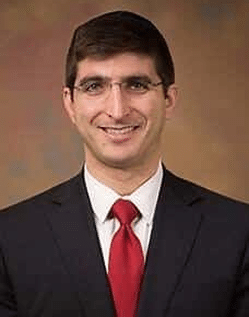
Police Brutality Center is proud to partner with Alex Straus, Chair of the Civil Rights Department at Milberg PLLC, and Solomon Radner at Radner Law Group to help victims of civil rights abuses.

How A Minnesota Police Brutality Lawyer Can Help You
While victims have options for pursuing justice, police misconduct cases in Minnesota can quickly become complicated because of state and federal laws. You need an attorney who understands Minnesota’s legal system, local courts, and the state’s history of police brutality to guide you effectively through the process. An experienced and skilled attorney will know how to challenge defenses, such as qualified immunity, and how local agencies typically handle these claims. Working with an experienced Minnesota police brutality attorney from the beginning can help protect your rights and improve your chances of securing accountability and fair compensation.
How To File a Civil Rights Claim in Minnesota
Civil rights claims in Minnesota are often complex and involve strict deadlines. With the right guidance, you can navigate the process more confidently and avoid common pitfalls that could delay or jeopardize your case. Here are key things to know:
Engaging A Civil Rights Lawyer in Minnesota
Representation by a civil rights attorney with experience in police brutality cases is important because the legal process is complex, and missteps can hurt your case.
A lawyer can evaluate the strength of your claim, investigate the incident, uncover and preserve critical evidence, and file complaints accurately and on time. They can communicate with authorities, negotiate for a full and fair settlement, and, if necessary, fight for your interests in court. By having professional representation, you ensure your rights are protected, your story is accurately presented, and your case has the best chance of success.
Initiating the Complaint Process
Reporting police misconduct to the appropriate agencies is a critical first step before pursuing a lawsuit, as it officially documents your complaint.
Victims of police misconduct should consider reporting incidents to the department’s internal affairs division, the U.S. Department of Justice Civil Rights Division, and any other relevant oversight agencies. These complaints create an official record, help trigger investigations, and may strengthen any later legal action by providing a paper trail documenting the misconduct.
Legal Proceedings
In a civil rights lawsuit, the legal process moves through several stages. After the lawsuit is filed, the defendant is served with the complaint and files a response. Then, both sides exchange information and evidence through a process called discovery. Many cases resolve through settlement negotiations, but some proceed to trial, where a judge or jury evaluates the evidence and determines the outcome.
Your lawyer supports you at each step, helping you understand what to expect, protecting your rights, and working to achieve the best possible outcome.
Notable Minnesota Police Misconduct Cases
Allegations of police misconduct in Minnesota have drawn national attention and prompted legal action, public protests, and criminal prosecutions in recent years. Here are some notable cases in recent years:
- Minneapolis police fatally shot Philando Castile during a traffic stop in 2016. His girlfriend and her child were in the car at the time, and the incident sparked widespread public outrage.
- A Minneapolis jury found former police officer Derek Chauvin guilty of second-degree murder, third-degree murder, and manslaughter in the killing of George Floyd. ABC News reports that Chauvin held his knee on Floyd’s neck for over nine minutes, despite Floyd’s repeated statements that he could not breathe.
- In 2026, a class-action lawsuit filed on behalf of three Minnesota residents alleged that Immigration and Customs Enforcement, or ICE, and Customs and Border Protection, or CBP, violated their constitutional rights.
Recent Minnesota Police Misconduct Lawsuit Settlements
Police misconduct settlements can range widely, since each case involves different facts, injuries, and circumstances. That means the amount paid in one case may look very different from another. Here are some recent examples of police misconduct lawsuit settlements in Minnesota:
- $27 million settlement to the family of George Floyd, who was killed by a Minneapolis police officer during an arrest in May 2020
- $20 million settlement to the family of Justine Ruszczyk, who was killed in 2017 by a Minneapolis police officer after she called police to report a possible sexual assault in the alley behind her home
- $1 million settlement to resolve claims over police attacks on reporters during the 2020 George Floyd protests
- $200,000 settlement to the family of Jamar Clark, who was shot outside an apartment building during a struggle with Minneapolis police officers in 2015
Police Misconduct Laws in Minnesota
If you have experienced police misconduct or brutality in Minnesota, you have legal rights designed to protect your safety, dignity, and freedom from abuse. These rights come from the U.S. Constitution, federal civil rights laws, and Minnesota statutes.
At the federal level, the Fourth Amendment protects you from unreasonable searches and excessive force, while the Fourteenth Amendment guarantees due process and equal protection under the law. Federal civil rights laws also allow you to take legal action if an officer violates your rights while acting in an official capacity.
Minnesota law and local policies enforce these protections by setting standards for police conduct and use of force. When officers cross those lines, you have the right to seek accountability. Your options may include filing a civil claim to pursue compensation for your injuries and hold the responsible parties legally accountable for the harm caused.
What Is the Statute of Limitations for Civil Rights Cases in Minnesota?
The statute of limitations sets the deadline for filing a police brutality claim in Minnesota, and the timing depends on the type of claim and whether it is filed under federal or state law.
In Minnesota, federal civil rights claims must typically be filed within 6 years of the incident. Meanwhile, wrongful death claims generally must be filed within three years after the death, but no more than six years after the incident causing the death. However, when pursuing a lawsuit against a police department or municipality under Minnesota law, you must provide notice of a claim within 180 days of the incident before you can proceed.
Courts strictly enforce these deadlines. If you miss them or fail to follow the required steps, the court will likely dismiss your case. A civil rights lawyer can assess the details of your case and determine which deadlines and rules apply to your claim.
Understand Your Rights With Help From Police Brutality Center
If you or a loved one has experienced police brutality in Nevada, legal help is available. Police Brutality Center proudly partners with Alex Straus, Chair of the Civil Rights Department at Milberg PLLC, and Solomon Radner at Radner Law Group to help victims of civil rights abuses.
Our legal partners work on a contingency fee basis and offer free consultations. You can take your first steps toward justice without worrying about financial risk.
Contact Police Brutality Center today to learn more about your legal options.