
Seattle Police Brutality Lawyer
The consequences of police brutality often extend far beyond immediate injuries, leaving victims and their families with lasting emotional, financial, and legal challenges. Unfortunately, Seattle has not been immune to the epidemic of police violence across the nation. However, those affected by police misconduct—such as wrongful arrests, excessive force, or other constitutional violations—have the right to pursue justice through a civil rights lawsuit. Help is available. Experienced civil rights attorneys can investigate the incident, gather evidence, identify violations of federal law, and build a strong case against the officers or departments involved.
Attorneys that work with Police Brutality Center may be able to assist you.
"*" indicates required fields
Content Last Updated: March 25, 2026
Connect With Our Experienced Attorneys
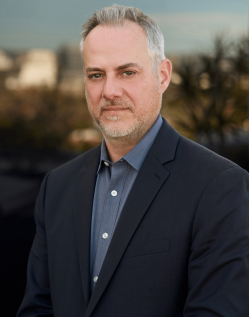
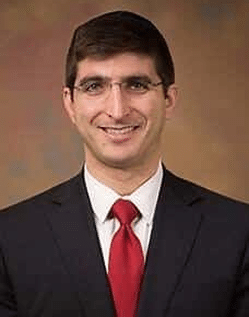
Police Brutality Center is proud to partner with Alex Straus, Chair of the Civil Rights Department at Milberg PLLC, and Solomon Radner at Radner Law Group to help victims of civil rights abuses.
When To Hire a Seattle Police Brutality Lawyer
Not every negative police encounter requires a lawyer, but certain circumstances—such as physical injuries caused by police officers, racial profiling, wrongful arrest, and illegal detention—amount to severe violations of your rights, entitling you to pursue legal action. In such a case, you’ll need professional guidance.
Physical Injury From Police Use of Force
The use of excessive force is a form of police brutality that occurs when an officer uses more force than reasonably necessary to detain or question someone. Officers are expected to apply only the minimum force needed to safely manage a situation.
For instance, in a June 2020 incident, a Seattle police officer pushed a demonstrator to the ground twice during an arrest, resulting in bruising to the temple and a bleeding abrasion on the chin. A report from the Office of Police Accountability later found that the officer’s use of force was “not proportional under the circumstances.” The report also noted that the officer was twice the demonstrator’s size and that the demonstrator was not resisting at the time.
Wrongful Arrest or False Imprisonment
Wrongful arrest, also known as false arrest, happens when law enforcement detains someone without legal justification.
An instance of this is the 2006 wrongful arrest of Bogdan Mohora, who was detained and handcuffed after photographing two officers arresting a suspect in downtown Seattle. The American Civil Liberties Union of Washington intervened on Mohora’s behalf, claiming that he neither spoke to nor interfered with the officers while observing the arrest, yet he was held at a precinct for nearly an hour before being released. He was never charged with interfering. The city later settled his claim for $8,000 after determining that the officers’ actions were improper.
Racial Profiling and Discrimination
Racial profiling, also known as ethnic profiling, is a discriminatory practice in which law enforcement targets individuals as suspects based on their race, ethnicity, religion, or national origin.
In 2016, a federal jury determined that a white Seattle police officer had engaged in racial discrimination when arresting William Wingate, a Black man, after he refused to put down a golf club he used as a cane. The officer claimed Wingate had swung the club at her patrol car in a 2014 incident. However, no footage or other evidence supported this, and Wingate denied swinging it. The officer was fired in 2015, and following a trial, the jury awarded Wingate $325,000.
How Seattle Police Brutality Lawyers Can Help
We partner with Seattle police brutality attorneys who protect victims’ rights, help them navigate the legal system, and pursue accountability via civil lawsuits. From investigating and gathering evidence to filing claims and advocating for clients in court, our partners manage the legal process so you don’t have to face these difficult times alone.
Investigating the Incident and Collecting Evidence
Building a strong case starts with a thorough investigation to uncover key evidence. Police brutality attorneys secure body camera footage, interview witnesses, gather medical records, review department policy manuals, obtain police reports and photographs, and more. Such evidence helps establish the facts and provides a solid foundation for seeking accountability and compensation.
Filing Civil Rights Claims Under Federal Law
Police brutality cases are typically brought under 42 U.S.C. § 1983 of the Civil Rights Act of 1871, a federal statute that allows individuals to sue government officials for violating their civil rights. Attorneys use this law to pursue claims against officers who use excessive force or engage in other misconduct. It can also support claims against municipalities and local agencies, including police departments or jails, when their policies or practices contribute to those violations.
Negotiating Settlements or Taking the Case to Trial
Seattle police misconduct attorneys work to secure justice and fair compensation for victims and their families, whether through settlement or trial. Most police brutality cases resolve through settlements, but if an agreement cannot be reached, our legal partners are prepared to take the case to trial.
Notable Police Misconduct Cases in Seattle and Washington
Seattle has faced a number of police misconduct allegations involving issues such as excessive force, racial bias, and wrongful arrests. Below are a few notable cases that illustrate the impact of police brutality and misconduct on individuals and communities:
CHOP Zone Lawsuit and 10 Million Settlement
In 2024, Seattle agreed to pay $10 million to dozens of protestors who alleged police officers injured them during the 2020 demonstrations in Seattle’s Capitol Hill Occupied Protest Zone following George Floyd’s murder. The CHOP Zone was an occupation protest in Seattle’s Capitol Hill neighborhood that lasted several weeks, beginning in June 2020.
Plaintiffs claimed the Seattle Police Department and Washington State Patrol failed to properly close Interstate 5, contributing to a protester’s death, and neglected to monitor bias or train officers on use-of-force policies. The lawsuit described repeated use of tear gas, flash bangs, projectiles, and other methods of force, resulting in physical and emotional harm. Regarding the fatality on I-5, a jury had found that the Washington State Patrol was not liable.
Racially Biased Traffic Stop Lawsuit
In 2021, the city of Seattle agreed to pay $515,000 to settle a civil rights lawsuit filed by the estate of Iosia Faletogo, who was shot and killed by Seattle police after a traffic stop and foot pursuit on New Year’s Eve 2018. The family’s lawsuit alleged that the officers violated Faletogo’s constitutional rights by stopping and detaining him without proper justification and that racism played a role in the initial stop.
Police Reform and Federal Oversight History
In September 2025, a federal court ended the 13-year consent decree between the U.S. Department of Justice and the city of Seattle, returning control of the Seattle Police Department to local authorities. Federal oversight began in 2012 after investigators found that the department repeatedly used unnecessary or excessive force in violation of the Fourth Amendment.
In response to the consent decree’s end, the ACLU of Washington asserted that the Seattle Police Department has not fully reformed and continues to face issues with racial disparities and use of force.
What Compensation Victims Can Seek
While money cannot reverse the harm caused by police misconduct, victims can pursue compensation to support their recovery, address the long-term impact of the misconduct, and recognize the suffering they’ve endured. Recoverable damages fall into the following categories:
Economic Damages
Economic damages cover the measurable financial losses that result from police brutality or misconduct, including the following:
- Medical expenses: Costs for emergency care, hospital stays, surgeries, medication, or ongoing treatment.
- Lost income: Wages lost during recovery or inability to work due to injuries.
- Reduced earning capacity: Long-term impact on the ability to earn income.
- Therapy and counseling: Expenses for mental health treatment related to the incident.
- Funeral and burial expenses: Costs associated with the death of a loved one.
Non‑Economic Damages
Non-economic damages account for the harder-to-measure harms caused by the incident, such as the following:
- Pain and suffering: Physical and emotional pain caused by the incident.
- Emotional distress: Anxiety, depression, or trauma resulting from misconduct.
- Loss of quality of life: Inability to participate in everyday activities or hobbies.
- Loss of companionship: Grief and emotional impact on family members in wrongful death cases.
Punitive Damages and Policy Change
Punitive damages, although uncommon, are intended to punish defendants and discourage future misconduct rather than compensate the victim. In Washington state, they may be awarded in civil rights cases against law enforcement officers whose behavior was motivated by “evil motive or intent,” or showed callous indifference to the constitutional rights of others.
Beyond those remedies, lawsuits can also seek broader relief by drawing attention to systemic issues and supporting policy changes and police reform to prevent similar misconduct in the future.
Frequently Asked Questions About Police Brutality Lawsuits in Seattle
Below are common questions about police brutality lawsuits in Seattle. If your question is not listed, contact Police Brutality Center to connect with a civil rights lawyer who can provide clear guidance about your situation.
Yes, you may sue individual police officers and the City of Seattle for misconduct, such as excessive force and civil rights violations. However, police officers are often shielded from liability by the doctrine of qualified immunity. Although this doesn’t make it impossible to hold officers accountable, it sets a high bar to overcome. That is why having an experienced police brutality lawyer on your side is especially important.
In Washington state, personal injury or wrongful death claims against a government entity or employee typically have a three-year statute of limitations. Claims involving assault, battery, or false imprisonment have a two-year statute of limitations.
However, before filing a lawsuit against a governmental entity or agent, an injured person must submit a notice of claim and wait 60 days. This waiting period gives the city time to investigate the claim and decide whether to settle it. Missing these deadlines and procedures can lead to a case being dismissed. A Seattle police misconduct attorney can help determine which deadlines apply and guide you through the filing process.
Seek Justice With a Seattle Police Brutality Attorney
At Police Brutality Center, we are committed to helping victims seek justice. If you or a loved one has experienced police brutality in Seattle, you don’t have to face the legal system alone. A skilled police brutality attorney can help investigate your case, gather evidence, and pursue the compensation you deserve.
Protect your rights and take the first step toward justice. Contact Police Brutality Center today for a free case review.