
Dallas Police Brutality Lawyer
Police misconduct and excessive force in Dallas can have life-changing effects on victims and their loved ones. A civil rights attorney who handles police brutality claims can guide victims through the legal process, protect their rights, and seek accountability from the officers or agencies involved.
Content Last Updated: October 9, 2026
Police Brutality Center connects victims with experienced police brutality lawyers who can advocate for their rights and help seek compensation for the harm they’ve suffered.
Connect With Our Experienced Attorneys
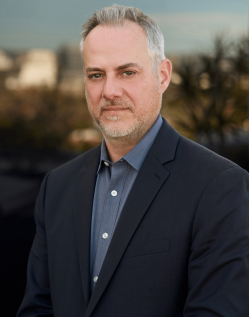
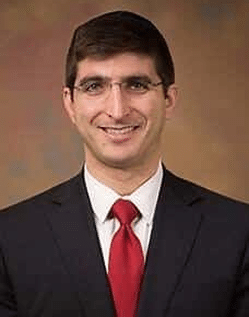
Police Brutality Center is proud to partner with Alex Straus, Chair of the Civil Rights Department at Milberg PLLC, and Solomon Radner at Radner Law Group to help victims of civil rights abuses.
The Role of a Dallas Police Brutality Attorney
An experienced police brutality lawyer in Dallas plays a central role in building a strong case and helping you pursue fair compensation. A lawyer can provide the following services:
- Investigation and evidence collection: Gathering and preserving body camera footage, surveillance video, and medical records
- Witness interviews: Speaking with witnesses and documenting your account while details remain fresh
- Analyzing reports: Reviewing police records for errors, gaps, or inconsistencies
- Working with experts: Consulting professionals to evaluate injuries and use of force
- Claim filing: Preparing and filing claims while meeting strict deadlines
- Negotiation and litigation: Negotiating with city attorneys and insurance representatives for a fair settlement or taking your case to trial if an agreement cannot be reached
- Pursuing damages: Seeking compensation on your behalf for medical bills, lost wages, pain and suffering, and long-term impacts
The Legal Process for Police Brutality Claims in Dallas
Filing a police brutality lawsuit against police officers or departments in Texas involves a detailed process with strict deadlines and procedural requirements. You typically start by filing a complaint with the police department involved, such as the Dallas Police Department or the Dallas County Sheriff’s Office. From there, you work with an attorney who can guide you through the legal process, which may lead to a dismissal, a settlement, or a jury trial.
It is important to speak with a lawyer before filing a claim because early legal guidance can help you preserve key evidence, avoid missing critical deadlines, and ensure you follow the correct procedures from the start. A civil rights lawyer can also evaluate the strength of your case and help you understand what legal options are realistically available. Below are some key things to consider.
Filing a Claim Against Police Officers In Dallas
Bringing a lawsuit against Dallas police officers requires a legal basis and careful preparation. These cases are often filed under federal civil rights laws and involve claims such as excessive force or wrongful arrest. To file a claim, you typically need to:
- Identify the responsible officers: Use reports, video, and witness accounts to determine which officers were involved in the incident.
- Establish a legal violation: Show that the officers’ conduct violated your constitutional rights.
- Collect evidence: Gather body camera footage, surveillance video, photos, and witness statements before they are lost or altered.
- Document injuries and damages: Obtain medical records and treatment notes that connect the incident to your physical or emotional harm.
- Meet filing deadlines and notice rules: File within the statute of limitations and provide any required notice to government agencies.
- Submit the claim: File a formal legal document outlining your claims, facts, and requested compensation.
Statute of Limitations for Civil Rights Cases in Texas
The statute of limitations for most civil rights and wrongful death lawsuits in Texas is two years from the date of the incident. If your claim involves a city, municipality, or state agency, you may also need to file a formal notice of claim within six months. Courts strictly enforce these deadlines, and missing them will likely result in dismissal of your case. A civil rights lawyer can review your case and make sure you meet the correct deadlines and filing requirements.
Going to Trial vs. Settling a Case
After filing a police brutality claim, a case may result in a settlement or proceed to trial. In many situations, the city, police department, or insurance representatives may agree to settle the case outside of court. Settlements often help victims receive compensation faster and avoid the stress of a public trial.
However, not every case is settled. Litigation may be necessary to resolve disputes over liability, the extent of the injuries, or the amount of damages. At trial, attorneys present evidence such as body camera footage, medical records, and witness testimony to support their arguments. A judge or jury then decides whether police misconduct occurred and whether the victim should receive compensation.
Key Indicators of Police Brutality in Dallas
Police misconduct and brutality can take many forms, and it is not always obvious at first. In Dallas, many incidents involve patterns of aggressive or unlawful behavior during traffic stops, arrests, and other routine interactions.
Indicators of police brutality in Dallas include the following:
- Use of excessive force beyond what the situation requires
- Racial profiling during traffic stops or investigations
- Violent treatment during routine police encounters
- Unlawful searches or arrests without probable cause
- Use of chokeholds, Tasers, or weapons against nonthreatening individuals
- Threats, coercion, or verbal abuse by officers
- Ignoring or covering up misconduct by fellow officers
- Denying or delaying medical attention after an incident
Notable Cases of Police Misconduct in Dallas
Dallas has been the scene of several widely publicized police misconduct cases over the years. Many have led to lawsuits, criminal charges, and renewed conversations about police accountability and use-of-force policies. Cases that made headlines include the following:
- Amber Guyger, a former Dallas police officer, was convicted of murder for fatally shooting her neighbor, Botham Jean, after entering his apartment in 2018. Guyger said she believed the apartment was her own. In 2024, a federal jury awarded Jean’s family $98.65 million.
- Tony Timpa died during a 2016 arrest after he called 911 seeking help. The city later approved a $2.5 million partial settlement with Timpa’s family, months after a jury awarded his son $1 million.
- Clinton Allen was shot and killed by a Dallas police officer in 2013. Allen was unarmed when the officer fired seven shots. Following his death, Allen’s mother created Mothers Against Police Brutality to advocate for victims and their families.
Why Trust Police Brutality Center with Your Claim
Filing a claim in a police brutality case does more than seek compensation. It helps promote accountability, exposes misconduct, and reinforces the legal protections that apply to everyone. For victims, legal action can also provide a sense of closure and financial recovery after a traumatic experience.
We partner with Alex Straus of Milberg PLLC and Solomon Radner of Radner Law Group, PLLC, both of whom have extensive experience in civil rights litigation and federal court practice. They have long records of success in cases involving excessive force, unlawful detention, and other constitutional violations.
If you or a loved one experienced police brutality in Dallas, Police Brutality Center can connect you with our legal partners for a free case evaluation. Contact us today to learn about your legal options.